Landscape Maintenance Tactics for Healthy Roots and Strong Growth
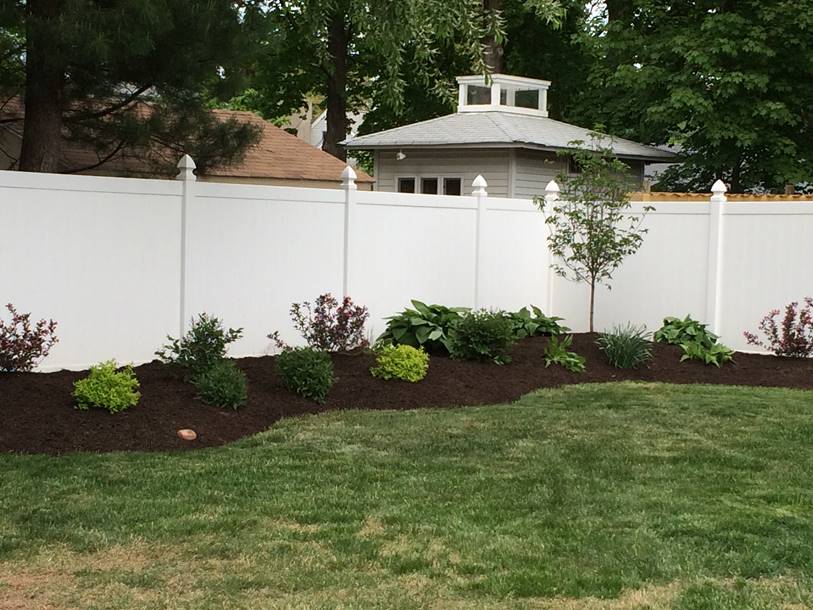
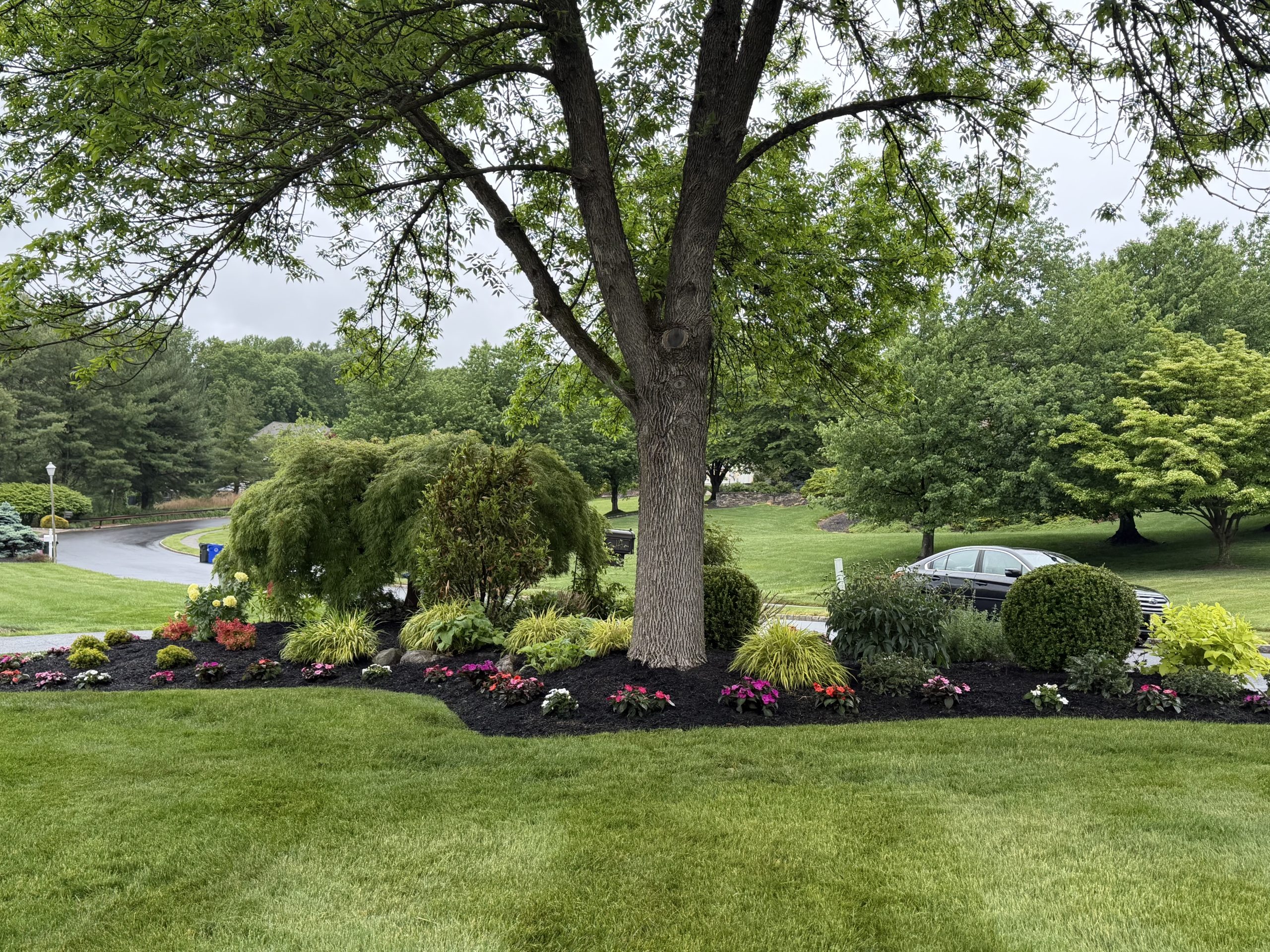

Strong landscapes are built below grade first. Leaves, flowers, and canopy shape get the attention, but root systems decide whether a planting bed thrives for ten years or declines after two hot summers. In practical Landscape Maintenance, the best results rarely come from dramatic interventions. They come from repeated, well-timed decisions that protect soil structure, regulate moisture, and keep plants growing at a pace their roots can support.
That distinction matters more than many property owners realize. I have seen newly installed shrubs look excellent through their first spring because nursery root balls carried them. By late August, the same shrubs began dropping leaves, not because the species was wrong, but because the surrounding soil had become compacted by foot traffic and irrigation cycles were shallow and frequent. On paper, the site was being maintained. In reality, it was being stressed.
Healthy roots need oxygen as much as water. They need soil pores that stay open, temperatures that do not swing wildly, and enough room to push outward. They also need a maintenance plan that matches the site. A shaded courtyard, a sloped foundation bed, and a full-sun lawn perimeter do not respond to the same schedule, even if the plants share the same hardiness zone.
The soil is the job
Many landscape problems get blamed on pests, weather, or plant quality when the real issue is poor soil management. Roots live in a physical environment, not an abstract one. If the soil is dense, saturated, crusted, or depleted of organic matter, growth slows even when fertilizer is added. That is one of the most common mistakes in routine Landscape Maintenance. People try to feed plants out of structural problems.
A healthy root zone usually has a balance of mineral particles, organic matter, moisture, and air. In a loam soil, roots tend to spread steadily because water infiltrates at a workable pace and oxygen remains available between irrigation events. In heavy clay, water may linger too long. In sandy soil, it may move through so quickly that deeper roots never get established. Maintenance tactics should respond to those differences rather than ignore them.
Compaction is especially damaging because it develops quietly. A bed along a walkway might start with decent tilth, then become compressed over time by crews stepping in after rain, holiday foot traffic, or wheelbarrows cutting the same line. Once pore space closes, roots stop exploring. The top inch can still look moist, but below that, oxygen may be limited enough to stall growth. You often see the symptoms above ground first, reduced leaf size, thin branching, weak flowering, and chronic wilting on warm afternoons.
Organic matter helps, but it is not a cure-all. A thin topdressing of compost can improve microbial activity and surface structure over time. Working large amounts into established beds, though, is often impractical and can damage roots. In mature landscapes, the more reliable approach is gentler: mulch correctly, reduce traffic, improve drainage where possible, and water deeply enough to encourage rooting below the surface.
Watering for roots, not appearances
A landscape can look green and still be poorly watered. Frequent shallow irrigation keeps the upper soil damp, which encourages roots to stay near the surface. That creates a dependency on constant moisture. When heat arrives or irrigation is interrupted, those shallow roots dry fast. Deep, less frequent watering tends to produce stronger root architecture because moisture moves farther down, giving roots a reason to follow.
The exact interval depends on soil texture, plant type, slope, and weather, but the principle is steady. It is better to wet the root zone thoroughly and then allow part of the surface to dry than to apply a light sprinkle every day. For trees and shrubs, this often means slower application and longer run times, sometimes with drip or soaker lines rather than spray heads that lose water to wind and evaporation.
There is judgment involved. A young tree planted in spring may need close monitoring through its first two growing seasons, especially in reflected heat near pavement. A well-established oak in the same property may need supplemental water only during prolonged drought. Treating both on the same timer usually wastes water on one and under-serves the other.
One useful field check is simple soil probing. Push a screwdriver or narrow soil probe into the root zone a day after watering. If it slides easily to six or eight inches, moisture likely reached a functional depth. If it stops after two inches, the cycle was too short or runoff occurred before infiltration. That kind of hands-on check tells you more than a green https://beckettwasa295.lowescouponn.com/landscape-maintenance-for-better-first-impressions-at-your-business controller screen.
Overwatering deserves just as much concern as drought stress. Saturated soil limits oxygen and can trigger root decline, especially in poorly drained sites. Plants under chronic wet stress may show yellowing leaves, weak growth, and even wilting, which confuses people into adding more water. Once roots begin to rot, the canopy can deteriorate quickly. The challenge is that the visual cues overlap. Good maintenance depends on reading the soil, not guessing from the foliage alone.
Mulch, used properly, is root insurance
Mulch is one of the highest-return practices in Landscape Maintenance when it is applied with restraint. A proper mulch layer buffers soil temperature, slows evaporation, reduces weed pressure, and protects the surface from crusting under rain or irrigation. That means more stable conditions for fine feeder roots, which do much of the work in water and nutrient uptake.
Depth matters. In most ornamental beds, two to three inches is enough. Less than that often breaks down too quickly to give consistent benefit. More than that can impede oxygen exchange and encourage roots to migrate upward into the mulch layer. Those roots are more vulnerable to heat and drying, which defeats the purpose.
Placement matters even more. Mulch should never be piled against trunks or shrub crowns. The so-called mulch volcano remains a stubborn habit in many properties, and it creates several avoidable problems. It traps moisture against bark, invites decay, and can lead to girdling roots in young trees. I have pulled back mulch from declining maples and found bark softening at the base, with stem tissue staying damp long after rain. The decline looked mysterious until the root flare was exposed.
Wood chips, shredded bark, leaf mold, and composted organic mulches all have their place. The best choice depends on appearance goals, slope, decomposition rate, and budget. Coarser materials stay put better on inclines. Finer mulches knit together and can look more finished in formal beds, but they may compact if overapplied. Whatever the material, consistency across the site usually improves maintenance efficiency and appearance.
Pruning with the root system in mind
Pruning is often framed as a canopy task, but it affects roots directly. Plants maintain a functional balance between top growth and root capacity. Remove too much foliage at once and you reduce the plant’s ability to produce energy. That can be especially harmful when the root system is already stressed by transplant shock, drought, or soil compaction.
This is why hard pruning during environmental stress often backfires. A shrub weakened by poor irrigation might look like it needs a severe cutback. In many cases, what it really needs is root zone correction and selective thinning, not wholesale reduction. Once the root system recovers, the canopy can be shaped more assertively.
Timing also matters. Pruning just before a heat wave, during peak drought, or after root disturbance can set a plant back. On the other hand, removing dead, broken, or crossing branches promptly can reduce unnecessary demand and improve air movement. The key is to understand whether pruning is being used to solve a real structural issue or to compensate for a site problem that should be addressed at ground level.
Trees demand special care here. Excessive canopy removal can stimulate weak, fast regrowth and deplete reserves. Mature trees that have undergone trenching, grade changes, or repeated soil compaction often need a conservative maintenance approach for several seasons. That may mean lighter pruning, expanded mulch rings, and close observation through summer stress periods.
Fertility is only helpful when roots can use it
Fertilizer gets overused in landscapes because it feels active and measurable. Yet roots cannot absorb what the soil environment does not support. When plants are struggling due to compaction, drainage, root injury, or improper pH, adding nutrients may do little or can even create more imbalance.
A soil test is still the best starting point for recurring fertility questions. It does not need to be treated as a laboratory ritual reserved for farms. On managed properties, especially those with repeated chlorosis or weak vigor, a basic test can clarify whether nutrients are actually lacking or whether pH is limiting availability. I have seen iron applied several times to yellowing shrubs when the deeper problem was alkaline soil and poor root aeration. The treatments brought modest cosmetic improvement at best.
Slow-release fertilizers generally fit landscape settings better than quick soluble products because they reduce burn risk and match plant uptake more gradually. Even then, moderation is wise. Fast, lush top growth is not always a success. It can produce tender tissue, increase pruning needs, and outpace what the roots can support in summer. Steady growth is usually healthier than flashy growth.
Organic amendments can also be useful, particularly where soils are biologically thin. Compost teas and specialty products, however, should be approached carefully unless there is a clear rationale. Most landscapes improve more from consistent moisture management, better mulching, and reduced compaction than from expensive supplements.
Seasonal tactics that protect root health
Every season asks for different maintenance decisions. The strongest landscapes are not maintained by habit alone. They are adjusted through the year as root activity, weather, and plant demands change.
- In early spring, focus on drainage problems, winter salt injury, and mulch correction before vigorous top growth starts.
- By late spring and early summer, shift attention to deep watering, weed control, and checking whether irrigation is reaching the full root zone.
- In peak summer, prioritize moisture consistency and avoid unnecessary pruning or cultivation during heat stress.
- During autumn, take advantage of cooler soil conditions for root-supportive tasks such as mulching, selective planting, and reducing competition around trees and shrubs.
- In winter, protect root zones from traffic, snow pile damage, and deicing salt where possible.
These are broad cues, not rigid dates. In a warm, wet spring, roots may stay active earlier than expected. In a dry fall, newly planted evergreens may need more irrigation than many crews assume. Good Landscape Maintenance is responsive. Calendar-based routines help with planning, but they should never replace observation.
Lawn care affects beds and trees more than people think
Lawns are often maintained separately from ornamental areas, yet the practices overlap in ways that directly affect root health. Mowers and string trimmers injure bark near tree bases. Broad irrigation zones oversaturate shrub beds. Fertilizer intended for turf can wash into adjacent plantings. Even clipping accumulation can alter airflow and surface moisture around crowns.
The most damaging issue is often root competition. Turfgrass is an efficient competitor in the upper soil layers, especially around young trees. When grass is maintained right up to the trunk, the tree must compete for water and nutrients in the exact zone where it is trying to establish. Expanding mulch rings around trees is one of the simplest ways to improve establishment and reduce mechanical injury at the same time.
Mowing height also has indirect effects. Scalped turf heats the soil and increases water demand. Taller turf shades the surface and often develops deeper roots of its own, reducing stress. That does not solve every problem, but it makes the overall site more stable. Landscapes function as systems. Weak practices in one area usually show up somewhere else.
Recognizing root stress before decline becomes obvious
Root problems are easiest to correct early. Once branch dieback starts or a mature shrub begins thinning from the interior, recovery becomes slower and less certain. The challenge is that roots fail out of sight. Maintenance crews need to learn the above-ground signals that suggest something is wrong below.
- Leaves that are smaller than normal across the plant, not just on one branch
- Wilting during mild heat even though the soil surface appears moist
- Repeated chlorosis without a clear nutrient explanation
- Sparse new growth and premature leaf drop
- Mushy crown tissue, exposed roots, or bark damage at the base
No single symptom confirms the cause. Those same signs can point to pests, disease, or herbicide drift. Still, when several appear together, it is worth inspecting irrigation coverage, soil density, mulch depth, and trunk flare exposure before reaching for chemicals or fertilizer.
A practical example comes from a commercial site where a row of inkberry hollies struggled every July. The irrigation contractor had replaced nozzles twice, assuming coverage was uneven. Water was not the real issue. The bed had been topdressed with fine mulch year after year until the crowns were buried, the surface sealed, and roots crept upward into a shallow organic layer. Pulling mulch back, correcting depth, and adjusting watering frequency improved the stand over the next season without replacing the plants.
Plant selection and spacing are maintenance decisions too
Some root problems begin long before the first pruning cut or irrigation cycle. They start with placing a plant where its root behavior and moisture tolerance do not fit the site. Landscapes built around aesthetic preference alone often require constant correction. Landscapes built around site conditions usually need less intervention and stay healthier longer.
A shrub that tolerates periodic dryness will outperform a moisture-loving species in a hot parking-lot island, even if both are technically hardy there. A tree with broad, aggressive surface roots may struggle in a narrow strip between sidewalk and curb where soil volume is limited. Matching species to drainage, soil type, sun exposure, and rooting space is one of the most cost-effective forms of Landscape Maintenance because it prevents chronic stress from the start.
Spacing deserves equal attention. Plants installed too tightly may look lush in the first season, but as canopies close, root competition intensifies below ground. Water demand rises, airflow drops, and access for maintenance becomes awkward. Then crews prune harder to contain size, which creates another layer of stress. Proper spacing feels conservative at installation and wise three years later.
When cultivation helps, and when it harms
Light cultivation has a place in landscape beds, but it is easy to overdo. Repeated hoeing or aggressive surface disturbance can sever feeder roots and dry the upper root zone, particularly around perennials and shallow-rooted shrubs. In established beds, many weed problems are better managed with mulch renewal, hand removal, and prevention rather than constant turning of the soil.
Where compaction is severe, some form of soil loosening may be necessary, but it should be targeted. Air excavation around valuable trees, vertical mulching in selected cases, or careful core aeration in turf areas can relieve stress without widespread root damage. These are not universal prescriptions. The right method depends on root density, soil type, and the value of the planting. On a mature specimen tree, an overly aggressive fix can do more harm than patient, incremental improvement.
Irrigation hardware needs maintenance too
Root health depends not just on watering strategy but on whether the system delivers what the plan assumes. Clogged emitters, tilted heads, pressure swings, and broken valves create patchy conditions that roots feel immediately. One side of a bed may stay dry while another stays saturated. Plants respond unevenly, which leads people to misread the issue as disease or poor plant quality.
Routine audits pay off. Watch a full cycle in person. Check whether water is hitting mulch instead of the root zone, whether runoff starts before infiltration, and whether overspray is wetting trunks or hardscape. Drip systems are efficient, but only if emitters are placed where roots actually are, not where the plant was a year ago. As shrubs mature, the irrigation layout often needs to move outward to match root spread.
This is especially important after renovations. A new walkway, a changed grade, or an added annual bed can interrupt flow patterns and soil moisture in ways the original irrigation design never accounted for. Good maintenance notices those shifts early.
Recovery takes longer than decline
One of the harder truths in landscape care is that roots recover slowly. A plant can decline in a month and need a year or more to rebuild. That lag frustrates property managers who want immediate visual improvement, but it is normal biology. Fine roots need time to regenerate, and canopy response usually trails behind root repair.
That is why patience should be built into expectations. If a shrub suffered from drought and root loss, proper watering and mulching may stop further damage quickly, but strong new growth may not appear until the next favorable cycle. Likewise, a tree relieved from compaction may stabilize first, then gradually improve over several seasons.
The best crews understand this rhythm. They avoid piling one intervention on top of another just because the plant does not bounce back in two weeks. When root health is the target, restraint is often a mark of professionalism.
Strong growth starts underground
The most durable landscapes are not maintained by appearance alone. They are maintained by understanding how roots interact with soil, water, oxygen, temperature, and competition. Once that perspective guides daily decisions, many persistent problems become easier to solve. You water differently, mulch more carefully, prune with more restraint, and judge fertility with more skepticism.
Healthy roots rarely attract praise from a distance, but they show up everywhere that matters. Trees anchor better. Shrubs hold color through summer. Perennials return with consistency. Replacement rates drop. Labor becomes more predictable. The landscape stops lurching from one visible problem to the next and starts developing the quiet resilience that clients notice, even if they cannot always name the reason.
That is the real aim of smart Landscape Maintenance. Not short bursts of lushness, but stable growth built on conditions the root system can trust.
Majestic Mowing & Landscaping LLC
Phone number: +19733975532
FAQ About Landscape Maintenance
What is landscape maintenance?
Landscape maintenance is the ongoing care, cleaning, and upkeep of outdoor green spaces to keep them healthy, safe, and attractive.
Is $100 an hour too much for landscape work?
An hourly rate of $100 is not too much for specialized or professional landscape work, though it sits at the higher end of the standard pricing spectrum.
How much do landscapers charge for maintenance?
For professional landscaping maintenance, homeowners typically pay $100 to $410 per month for recurring services, or an hourly labor rate of $50 to $100 per hour per crew member.